
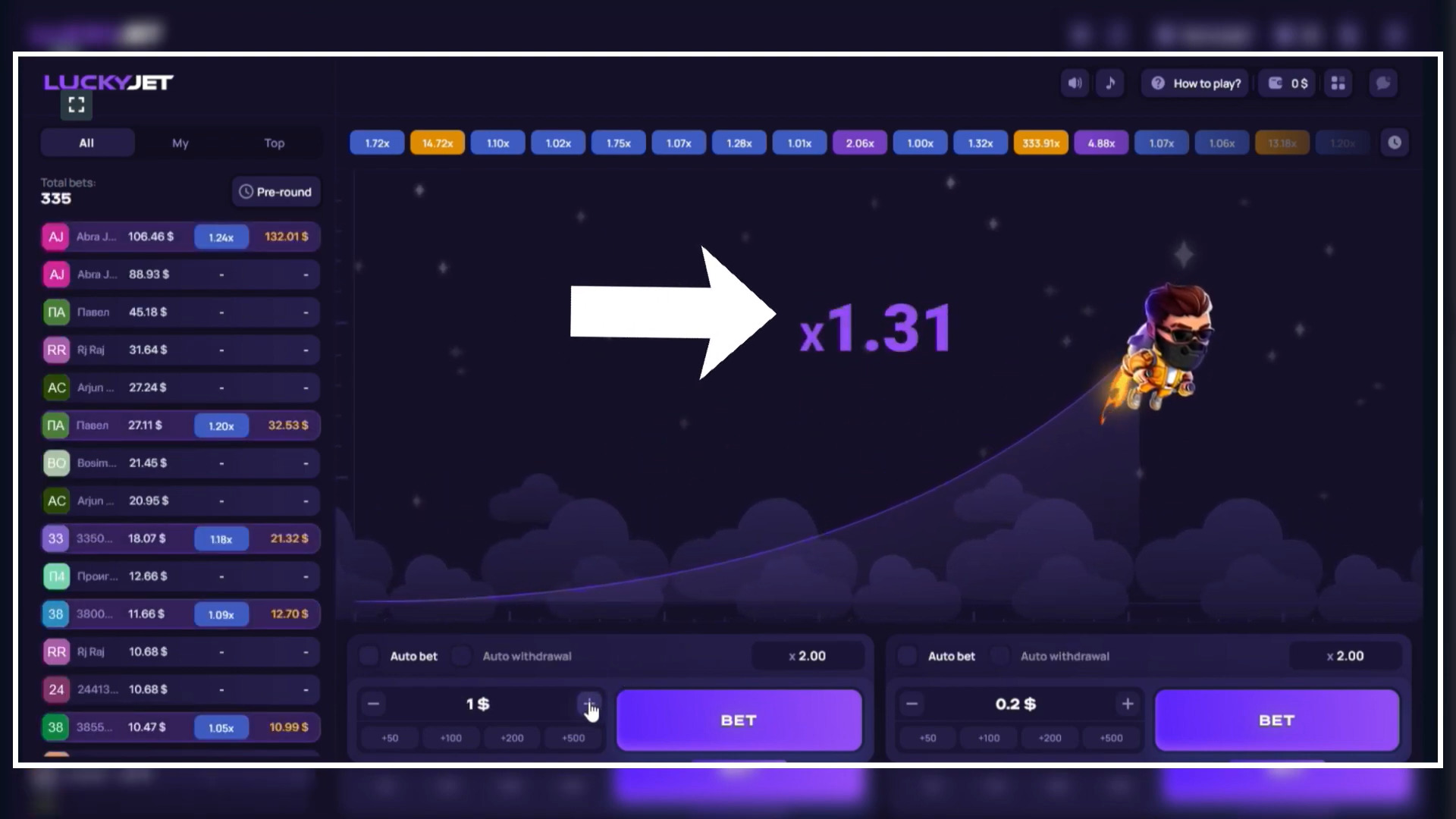
Digital gaming proceeds rapidly, and its outcomes are never guaranteed luckyjetcasino.uk. Gamers often seek more substance than just number crunching or chasing betting patterns. They can uncover a robust, time-tested system in Stoic philosophy, which promotes emotional control, focus, and fortitude. This article explores how the central ideas of Stoicism align perfectly with playing Lucky Jet. Adopting a Stoic outlook lets a player alter their entire approach. They learn to face the game’s built-in highs and lows with a calm mind and a structured approach. The objective does not ensure a win in every round. The aim is to cultivate an internal fortitude that renders gameplay more reflective, more enjoyable, and an ongoing practice, no matter what transpires in any single round.
The Stoic Foundation: Recognizing What Lies in Our Power
The essence of Stoicism forms the dichotomy of control, a principle the philosopher Epictetus brought to prominence. It draws a line between what is in our power and what is not. This line is crucial in Lucky Jet. We possess full control over our own actions, choices, and reactions. We pick our bet size. We determine when to cash out. We define our session limits and our overall budget. We govern how much we prepare, how well we study the game’s rules, and how faithfully we follow a strategy we decided on beforehand. All other factors exists outside that circle. The exact multiplier where the jet disappears, the result of any given round, the random order of wins and losses—these things are not in our hands. A Stoic player directs their energy solely into the first category, meeting the second with calm acceptance.
This acceptance does not mean surrender. It’s an dynamic, rational recognition of the way things actually work. Once we fully grasp that the jet’s flight path is entirely random, we cease spending emotional energy on results we cannot alter. Getting upset about a “near miss” or overjoyed by a “lucky win” are just reactions to external circumstances. They do not reflect about our value or our skill. The spotlight shifts to the quality of our decisions. Did we adhere to our cash-out plan? Did we handle our bankroll smartly? If we assess ourselves solely by these controllable factors, we create a base of discipline and self-respect that the game’s randomness cannot disturb. This shift in thinking is the first and most important step in integrating Stoicism to Lucky Jet.
View from Above: Maintaining Outlook on the Round
Followers of Stoicism employed an practice named the “View from Above.” It was meant to provide clarity by stepping back from your present state. You might envision peering down on your city, then your nation, and eventually the whole world, observing how minor your own troubles are in the larger context. Using this with Lucky Jet is a strong cure for the single-mindedness gaming can create. In the midst of a playing period, one stake can appear like the most significant event in the world. The View from Above reminds us that this round, this gaming period, and including this game, is a minor, passing activity in the vast scope of our whole existence.
This outlook assists maintain a sound link with the game. It prevents us from becoming too attached, where our self-worth gets connected to how we perform in a contest of probability. It reinforces us that Lucky Jet is merely one form of recreation out of countless, a short respite rather than a main life objective. When we step back, we see our gaming next to our job, our relationships, our additional pursuits, and our duties. This wide view naturally guides us toward balance, better time control, and a awareness of measure. A loss gets put in frame as a trivial event in a timeframe filled with other matters. This practice is crucial for keeping balance and ensuring seeking pleasure doesn’t unintentionally harm other, more important areas of existence.
The Stoic’s Bankroll: Wealth and the Value of Stewardship
For a Stoic, outside matters like money were “preferred indifferents.” They possess no moral value in themselves—they don’t make us good or bad—but it’s normal to want them rather than not, as long as we get and use them wisely. A Lucky Jet bankroll suits this description exactly. The money is indifferent. The virtue appears in how we handle it. Stoic gameplay, therefore, places the highest importance on the ethical and sensible handling of funds. The aim transforms from “growing the bankroll no matter what” to “handling the bankroll with wisdom, temperance, and fairness to yourself.”
This thinking calls for a strictly principled method for financial stakes. We determine a separate entertainment budget, money apart from what we need for essentials. We regard it like the price of the experience itself. Inside that budget, we set firm session limits and bet sizes that are a very small part of the total. This lets us survive the volatility. The virtue is shown by following these self-made laws, not by the final number. A session where we lose our pre-set limit but adhere strictly to our rules is, from a Stoic view, more successful than a session where we win a lot but through reckless, uncontrolled betting. The bankroll becomes a practice field for the key virtue of temperance.
Premeditatio Malorum: Anticipating Volatility
The Stoic practice of “Premeditatio Malorum,” or the anticipace of potíží, means důkladně promýšlet possible problémy to lessen their emotional shock and to plan your reakci. For Lucky Jet, this is a key strategic tool. Before začátkem a session, a Stoic účastník will vědomě přemýšlet about nepříznivé situace. They will mentally practice a sérii proher in a sledu, picture the jet padající at very low multipliers again and again, or imagine the vjem of missing a cash-out point by a tiny množství. This není pesimistické. It’s a kind of emocionální and taktické vaccine.
By facing these possibilities ahead of doby, we take away their schopnost to surprise or vykolejit nás later. When a streak of losses přijde, it není a devastating otřes. It’s něco we’ve already promysleli vyrovnaně, and we have a strategií for it. This příprava directly shapes bankroll správu, the most hmatatelné use of this idea. Uvědomění that bad runs are certain, we logicky rozhodneme in předem what část of our funds to vsadit per session and per vsazení. This zajistí no reálná losing streak can smazat our prostředky. This praktika utužuje the mind against strach. It udržuje our činy řízené by what we planned, not by the zmatek of a momentální bad luck.
Amor Fati of Each Flight
One deep Stoic concept is “Amor Fati,” which translates to loving your fate. This goes further just tolerating what happens. It involves embracing every event, good or bad, as a essential part of the bigger picture. For someone engaging with Lucky Jet, this entails cultivating an attitude that welcomes every outcome of the jet’s flight. Cashing out early for a profit and watching the jet crash before it hits your target multiplier should both be greeted with the same positive look. Each result is a piece of information, a lesson, and a necessary part of the gaming session. This philosophy eliminates the harmful mindset that views losses as purely bad and wins as the only good outcome. Instead, every round becomes a useful experience that shows us something and builds our approach stronger.
Using Amor Fati transforms the emotional atmosphere of the game. The nervous tension that often builds as the multiplier goes up gets exchanged by calm watching. When we discover to love the fate of each flight, we remove the pain out of losses and the addictive high out of wins. A loss becomes a chance to practice bouncing back and to evaluate how solid our money rules are. A win becomes a confirmation that our disciplined process works, not a reason for overreacting. This mindset fosters a long view, where the value derives from steadily following your principles, not from the temporary result of one bet. It enables us view Lucky Jet as an exercise in character, not just a search for money.
The discipline of Agreement: Handling Impulses in Real Time
Stoic psychology discusses a powerful mental step called the discipline of assent. It describes the brief interval between something happening and our evaluation of it. In Lucky Jet, this happens in the key seconds as the multiplier increases. The first feeling might be avarice (“I should let it go higher”) or anxiety (“I need to cash out now”). An unrestrained mind says yes to these urges right away, causing choices that break a strategy made earlier. The Stoic participant, nevertheless, introduces a break. They observe the drive as it appears, identify it—a prompt from their emotions—and then intentionally select whether to endorse it, according to reason and their defined strategy.
This instant mental regulation is the functional essence of Stoic play. It stops you from chasing losses after a abrupt crash or increasing your bets during a successful streak. By practicing this pause, we create space between ourselves and the direct feed of our perceptions and feelings. We allow for our rational, predetermined rules to take charge. For illustration, if your strategy is to cash out at 2x, observing the multiplier reach 1.9x might trigger a powerful desire to hold on. The principle of agreement lets you notice that desire, name it as avarice, and then purposely choose the action that aligns with your plan: withdrawing. This continuous, minor application of self-discipline is where thought transforms into practice on the gaming screen.
The Framework of a Stoic Philosophy Gaming Session
The final goal of Stoic practice is to create an “Inner Citadel,” a mental fortress that stays calm and virtuous even when outside things are disorderly. A Lucky Jet session, with its rapid rounds and changing fortunes, serves as a perfect modern training ground for forging this. Each round is a practice. A climbing multiplier probes our discipline against greed. An early crash probes our resilience against frustration. A successful cash-out challenges our humility against pride. The whole session is a constant drill in applying the principles of control, assent, and perspective in real time. We conduct this training by remaining consciously attentive of our internal state the whole time. We monitor our thoughts and feelings from a small distance, naming them without letting them dominate us. We have tiny breaks between rounds to refocus, consciously surrendering of the last flight’s result before beginning the next one.
This practice changes gaming from a receptive, reactive activity into an engaged, purposeful exercise in self-control. The real win isn’t recorded on your balance sheet these days. It’s noted in the standard of your focus, the steadiness of your click, and the stillness in your thoughts as you navigate the uncertain flight paths. The game becomes a tool for reflective practice. A Stoic method arranges the complete gaming experience into distinct phases, each with its own point. The pre-session is for planning and establishing rules. Here we perform Premeditatio Malorum and set unbreakable financial and strategic limits. The live session is the arena for the exercise of agreement, where we implement our plan with sharp objectivity, seeing our impulses without pursuing them. The post-session is reserved for reflection, a quiet time to assess what we accomplished against our standards, unburdened from the intensity of the time.
The Practical Implementation of Session-End Reflection
This three-part structure brings order to chaos. It positions Lucky Jet not as a formless activity but as a intentional routine with a commencement, a midpoint, and an finish. The most underappreciated yet crucial part is the thoughtful break after playing. Here we employ the View from Above on our own actions. We raise objective questions. Did I adhere to my guidelines? Where did my impulses feel most intense? Did I preserve my emotional stability? This isn’t a fault exercise. It’s a analytical evaluation, like an competitor reviewing game footage. This synthesis step is where actual learning and character development happen. It finishes the circuit, making sure every game, success or failure, aids reinforce our Inner Citadel. It turns us more calm and controlled gamblers, and individuals, going onward.
This moment of reflection is more than a vague idea. It requires a practical approach to work. We recommend a structured five-minute review done away from the game screen. First, remember the limits and core strategy you set before the session. Second, mentally go over the key decision points, especially those where you felt a powerful emotional urge, and note what you actually did. Third, measure those actions to your pre-set rules without commending or criticizing yourself. Fourth, select one specific observation for next time, like noticing that greed feels strongest after two wins in a row. Finally, deliberately close the session, metaphorically shutting the chapter to stop yourself from ruminating. This disciplined reflection converts experience into wisdom. It guarantees you keep moving forward in your Stoic practice.
Stoic Resilience Vůči Gaming Fallacies
A big problémem in games například Lucky Jet je naše lidská tendence důvěřovat poznávacím omylům, jako hráčský omyl nebo iluzi kontroly. Stoická philosophy, soustředěním on logic and seeing reality přesně, poskytuje silnou obranu před těmito chybami. Hráčský omyl je the wrong domněnku, že dřívější independent events mění budoucí ones, například čekat pád protože došlo k several successful kol za sebou. Stoicismus proti tomu bojuje upevňováním poznání, že každé kolo je nezávislá nahodilá událost. Jeho výsledek je zcela unrelated od minulých událostí předtím. Pocit kontroly je přesvědčení, že vaše akce či rituály can affect generátor náhodných čísel. Stoicism to vyvrací by constantly pulling zaměření zpět to the true place of control: naše úsudky a rozhodnutí, not the game’s algorithm.
By taking in the Stoic commitment to seeing the world as it is, ne jaký ho chceme mít, bráníme se from these zavádějícími thought patterns. When we feel a superstitious itch změnit náš bod výplaty kvůli “vzorci” we think we spotted, dokážeme to identifikovat pouze jako vjem k prozkoumání, nikoli pravdu k akci. Tato střízlivá realita guards both our bankroll a náš duševní klid. Dovoluje nám vychutnat si skutečnou zábavní hodnotu hry—napětí, proces rozhodování, the visual show—bez toho, abychom se stali otroky klamných vyprávění o náhodě či schopnostech kde neexistují. Tato pevnost changes us ze zranitelných účastníků ve vyrovnané pozorovatele. We play the game without being played by our own biases.
Using Stoic philosophy ve hře Lucky Jet poskytuje proměňující strukturu. It puts sebekázeň nad pomíjivou náhodu. Zaměřením se na to, co můžeme ovlivnit—our decisions, our reactions, our preparation—we free ourselves od úzkosti z náhodnosti. Koncepty jako Amor Fati and the Discipline of Assent poskytují praktické pomůcky pro procházení the game’s volatility s vyrovnaností. Exercises like Premeditatio Malorum a Pohled shora make sure, že naše zapojení je sustainable and balanced. Nakonec, tento přístup nově definuje what success means. It measures it not by money piled up, ale podle vybudované odolnosti, ukázněností and emotional balance kept. Tímto mění každé sezení into a chance k osobnímu rozvoji. Dělá zážitek z Lucky Jet more enjoyable and, in a deeper way more meaningful.